
Introduction
Remote IT support jobs are gaining popularity and availability in the digital-first world nowadays. To ensure that their systems operate efficiently, troubleshoot problems, and give technical support, businesses (of any size) are able to use the services of skilled IT professionals remotely.
Working remotely provides the liberty to create a balance between work and life, and the ability to secure a remote position as an IT support demands a set of skills and knowledge. To learn the necessary skills to be hired within a short time.
It is important to know the core competencies of remote IT support positions, the way to develop your expertise, and the recommendations to make your job application shine. It can be changing careers, training, or simply beginning, this guide will assist you in preparing to succeed.
Why Remote IT Support Jobs Are in Demand

The remote work has increased the acceleration of demand to have IT support professionals who are capable of providing solutions to technical issues even when they are not at the workplace. Businesses are seeking the services of trusted professionals with the ability to remotely troubleshoot hardware and software problems, networks, and secure the network.
This has resulted in an abundance of opportunities in remote IT support, where individuals are able to work with clients worldwide out of their home office.
Remote IT support jobs are also diverse, ranging in the help desk to network administrator; however, all present strong technical backgrounds and effective communications. In case you would like to enter this sphere, understanding what employers expect will make you stand out of the crowd.
Core Skills That Employers Look for in Remote IT Support Jobs
A combination of hard and soft skills is what is required to succeed in remote IT support. The following table presents a summary of the most desired skills:
| Skill Category | Description | Why It Matters |
|---|---|---|
| Technical Troubleshooting | Diagnosing and fixing hardware/software issues | Resolves client problems efficiently |
| Networking Basics | Understanding of LAN, WAN, VPN, and protocols | Ensures smooth connectivity and security |
| Operating Systems | Proficiency in Windows, macOS, and Linux | Supports diverse client environments |
| Remote Desktop Tools | Experience with tools like TeamViewer, AnyDesk | Enables effective remote assistance |
| Cybersecurity Awareness | Knowledge of firewalls, antivirus, and phishing | Protects systems from cyber threats |
| Communication Skills | Clear, patient client communication | Builds trust and clarifies issues |
| Time Management | Managing multiple tickets and priorities | Meets deadlines and maintains service quality |
Technical Troubleshooting: The Heart of IT Support
The ability to solve technical issues swiftly and precisely is the main aspect of any IT support job. This involves establishing whether a problem is caused by a hardware problem, a software problem, a user problem, or a network problem.
Good diagnostic abilities should also enable you to isolate the root cause and apply practical solutions to the problem.
In case of remote IT jobs, you should also be conversant with the remote diagnostic tools that enable you to remotely access the machines of the clients. It is important to learn how to use software such as Remote Desktop Protocol (RDP), TeamViewer, or AnyDesk.
Networking Basics: Keeping Systems Connected
Remote IT specialists should have a good knowledge of networking. The experience of local area networks (LAN), wide area networks (WAN), Virtual Private Networks (VPN), and knowledge of standard protocols like TCP/IP can also assist you to troubleshoot connection problems and securing communications like Wi-Fi or VPN. Your expertise in networking can be demonstrated by such online certifications as CompTIA Network+ or the Cisco CCNA.
Operating Systems: Supporting Diverse Platforms
Clients operate different operating systems, and it is priceless when it comes to versatility in Windows, macOS, and Linux. Windows support is popular as it is commonly used; however, knowing how to use macOS and Linux could make you stand out, like other tasks that could involve installing software, updating, user permissions, and data recovery. Command line knowledge and scripting may be a bonus, particularly in Linux.
Remote Desktop Tools: How You’ll Provide Support
Given that remote IT support is an off-site task, one has to be skilled in remote access software. TeamViewer, AnyDesk, LogMeIn, and Microsoft Remote Desktop are the tools that enable technicians to gain control over the computers of clients and troubleshoot the problems in real-time.
and the mastery of their functioning is not only technical but also requires the protection of secure connections to preserve the privacy of clients. Having experience in remote support tools helps to increase your employability.
Cybersecurity Awareness: Data and Systems
Protection.
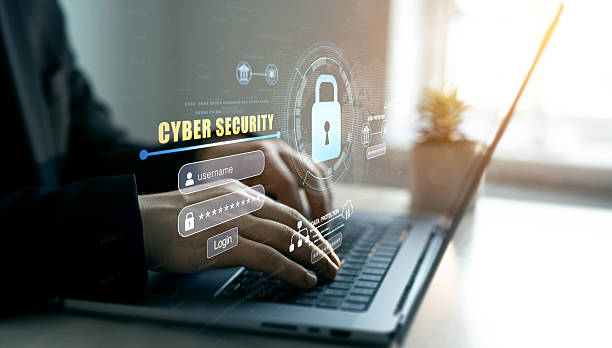
Security is a very fundamental issue to businesses nowadays, and it is more so due to the increase in remote work. Knowing cybersecurity fundamentals (i.e. firewalls, antivirus programs, encryption, and phishing scams) is also essential so that the remote IT support professionals can teach the users how to protect their systems.
The right mindset about security also implies that the users should be taught about safer practices and the identification of threats. Your level of knowledge in this field can be certified by certifications such as CompTIA Security+.
Communication Skills: Bridging the Distance Gap

Remote IT support will not be possible without technical knowledge. Good communication is necessary to clarify the difficult situations to the clients who might lack experience in using technology and to be patient and listen to clients and write clear, concise email or chat messages. Often, your communication skills determine how well clients feel, as well as it is being able to establish long-term relationships.
Time Management: Handling Multiple Clients Efficiently
Remote IT support positions tend to come with a lot of heavy work pressure in multi-ticket/support assignments. Good time management will make sure that you do not leave routine tasks unattended to and instead focus on immediate problems as soon as they emerge.
Proper time management with the aid of ticket systems, such as Zendesk or Freshdesk, and structured work processes will allow you to provide the appropriate response in time. Demonstrating to employers that you can handle workloads is more likely to have an employer hire you.
How to Build These Skills Quickly
In case you are new to remote IT support, or you would like to work on your profile, you can use many sources:
- Online Courses: Courses such as associated with Coursera, Udemy, or LinkedIn Learning are inexpensive courses in networking, operating systems, and cybersecurity.
- Qualifications: Industry certifications that are accepted include CompTIA A+, Network+, Security+, and
- Microsoft Certified Azure Fundamentals is credible.
- Practice Labs: Virtual Labs and simulators should be used to practice and learn how to troubleshoot and configure systems.
- Volunteer or Freelance: Experience Provide practical experience serving nonprofits or small businesses on a freelance basis.
Where to Find Remote IT Support Jobs
Other sites focus on remote technological jobs. Remote.co, We Work Remotely, FlexJobs, and Indeed are some of the websites that often have openings for remote IT support. You can also find opportunities to build your client network using the freelance market platforms like Upwork and Fiverr. Complicating the fact that you can work independently and communicate effectively, which are critical in remote settings.
Recommended Certifications for Remote IT Support Jobs
| Certification | Focus Area | Why It Helps |
|---|---|---|
| CompTIA A+ | Hardware and software basics | Entry-level certification, widely recognized |
| CompTIA Network+ | Networking fundamentals | Demonstrates networking ability |
| CompTIA Security+ | Cybersecurity basics | Validates security knowledge |
| Microsoft Certified: Azure Fundamentals | Cloud computing basics | Cloud skills in demand for remote work |
| Cisco Certified Network Associate (CCNA) | Networking and routing | Advanced networking expertise |
Summary
Remote IT support positions present great possibilities of interesting and flexible work. The best way to be hired quickly is to work to achieve the appropriate combination of technical competencies and communication skills.
Enhance your expertise in troubleshooting, networking, and operating systems, learn to use the following tools of remote support and basic cybersecurity, and after becoming a certified expert, practicing hands-on and honing your soft skills, you will be one of the most successful in the competitive job market of remote professionals.
It is important to remember that remote IT support is not only a task of repairing computers, but rather a task of providing people with access to and easy use of technology anywhere. Start no,w and you are bound to come far to a successful remote IT career that will bring both freedom and development.